
Blind in Stroud
Words and pictures by Nimue Brown | Hopeless Maine & Carnival of Cryptids
March 2026
About a year ago, I suffered from a dramatic illness and went from being sighted to being blind in a very short time frame.
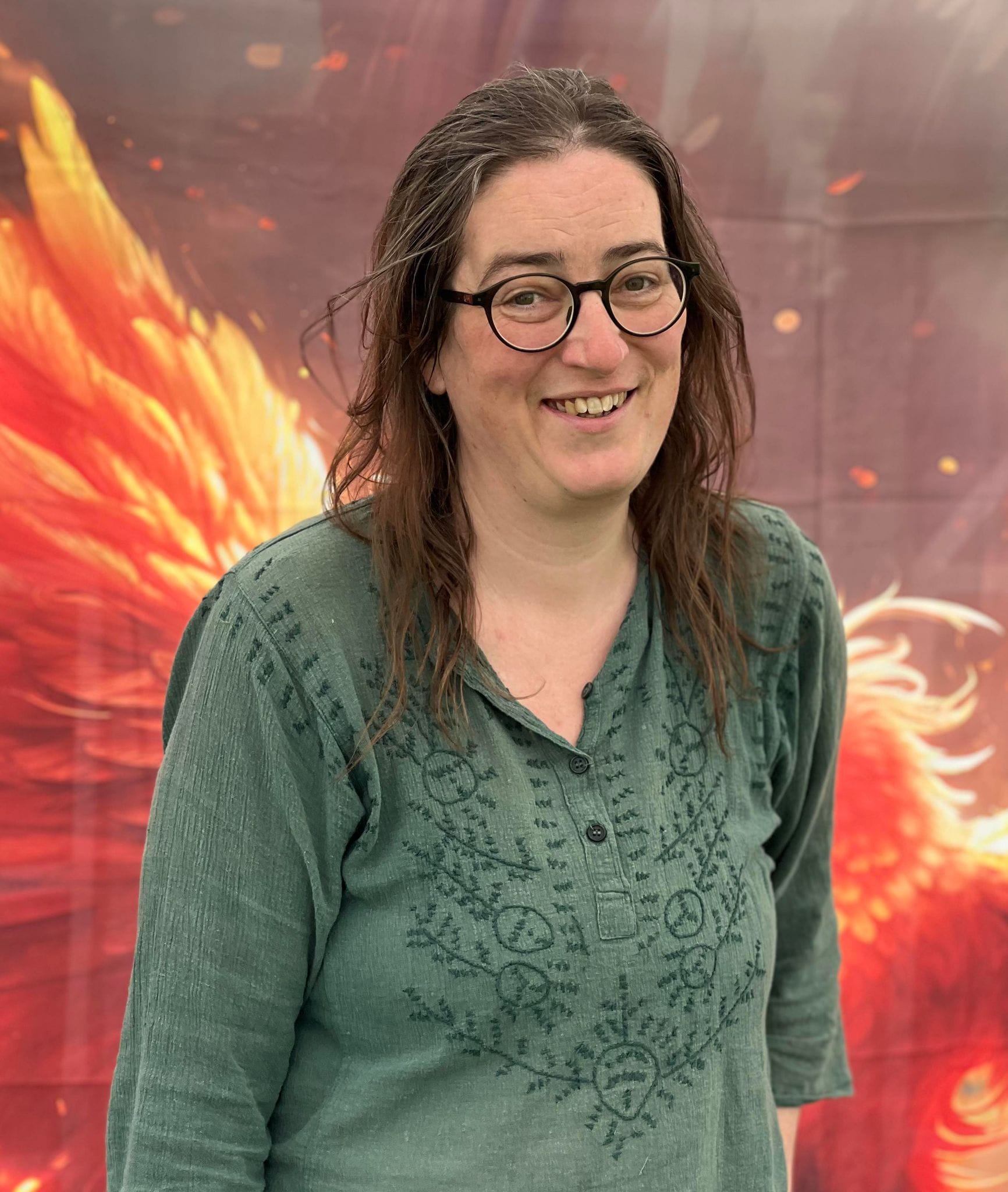
Sight loss is usually more of a gradual process, that allows some time for adjustment and acceptance.
Blindness has affected every aspect of my life and it has necessitated a vast amount of relearning. The most basic tasks are now challenging for me.
While there is a lot of useful technology available, using it takes time to learn and integrate into everyday life.
Getting around is difficult. I can’t see where cars are, which is intimidating. Drivers are not reliable at honouring pedestrian crossings, and like me, many blind people feel unsafe because of this.
One of the most common approaches for getting about when blind is to remember where things are. This means blind people are put at risk by unexpected changes. A trip hazard you cannot see is a serious issue.
That can include surprise street signage, bikes left lying on the pavement, cars parked where they shouldn’t be, fresh potholes, new street furniture, scaffolding, wheelie bins and so forth. I regularly walk into things I cannot see.
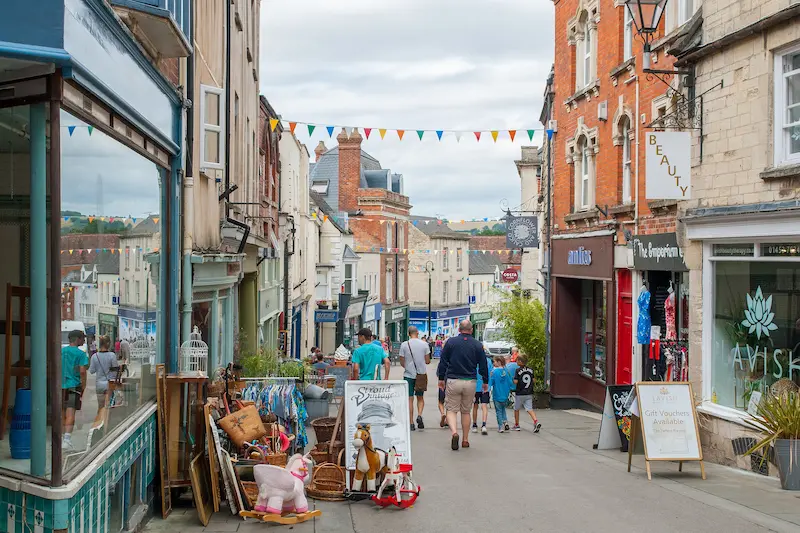
My impression is that this is primarily an education issue. As a sighted person it is hard to imagine the perils that small items and changes create for those of us who cannot see. When people understand, in my experience, they tend to be kind and helpful.
I have dealt with a lot of people over the last year. Many went out of their way to make things feasible for me. I have only had a couple of unhelpful experiences. I have been to many Stroud venues and events, where I have felt safe and supported.
Special mentions should go to Stroud Book Festival, the Transition Stroud AGM and Landsdown Hall. There is a lot of accessibility support.


Visit the Lansdown Hall & Gallery website
Most places if you phone them, can give you useful information or will allow you to designate someone to act on your behalf. Often there are free tickets for carers.
I find that anywhere accessible for wheelchairs is a good bet, as that usually means predictable footing.
Round here that includes the Stroud Valley Trail (Stonehouse to Nailsworth cycle path), Slimbridge Wetland Centre, Westonbirt Aboretum and Prinknash Bird And Deer Park.
Unfortunately, accessible toilets cannot be counted on to be blind person friendly. I have enough vision to be able to make out where my own toilet seat is at home. Poor lighting in ostensibly accessible toilets often means I need someone to go in with me and talk me through where things are.
I cannot reliably use single sex cubicles as I have a partner of a different gender, and I get lost in more complex bathrooms.
For a person dealing with vision loss, there is a lot of local support available. In fact, there is more help available than most of us realise. I found the medical support locally is full of kind and brilliant people.
I am an unusual and difficult case but I have felt well looked after in many ways both emotionally and practically. The RNIB have support workers at the Stroud, Gloucester and Cheltenham hospitals. They provide a huge array of valuable services.

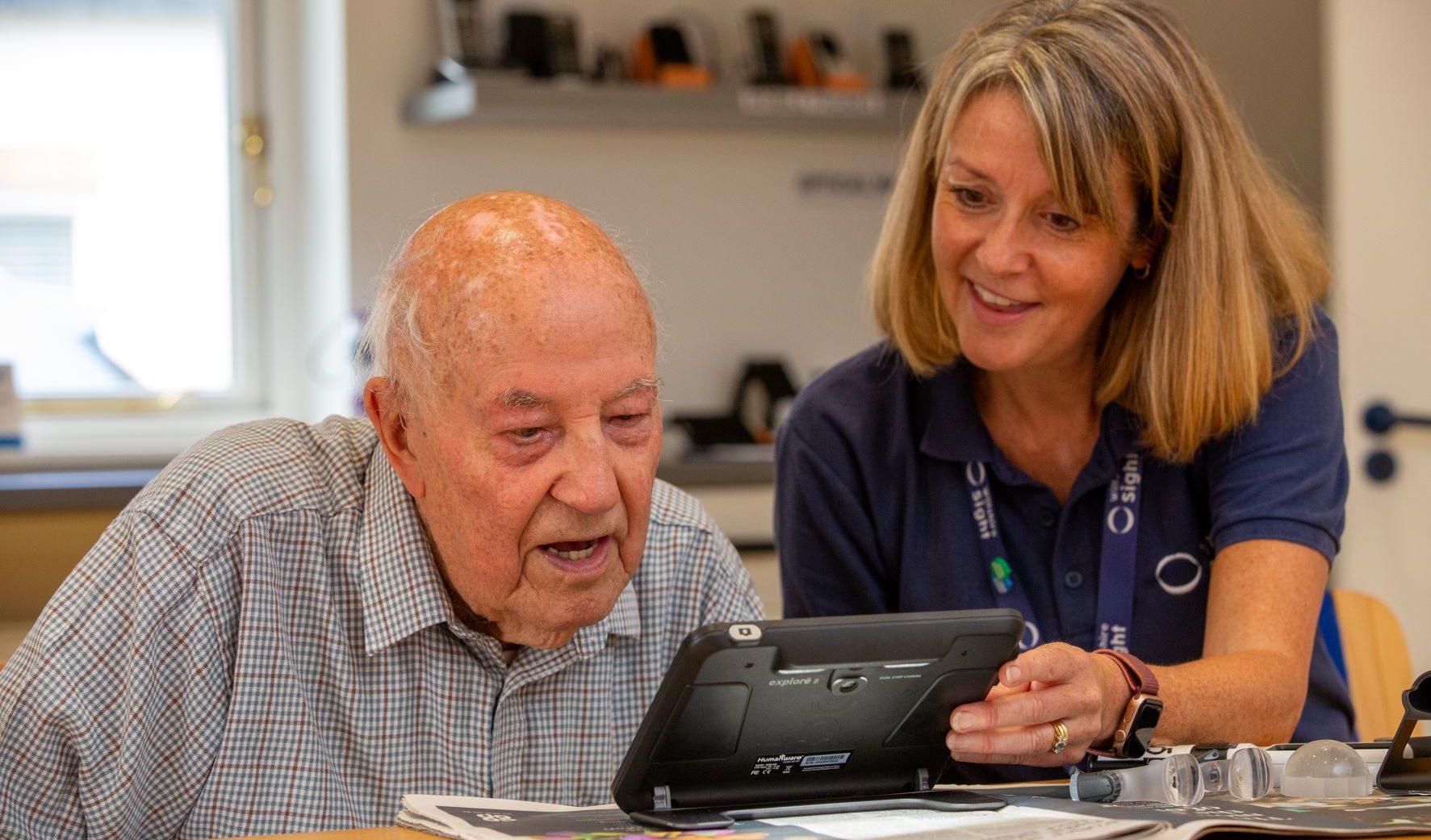
More information about Insight Gloucestershire on their website, here.
Locally, we have the excellent charity Insight Gloucestershire, who have a shop on Stroud High Street. They offer a newsletter, advice, tech training and peer support. I have greatly appreciated their monthly meet ups at the Sub Rooms.
Going blind is a terrifying, life-altering experience. It can make you feel socially isolated and practically disadvantaged. So many situations and activities assume sightedness.
Participation in all aspects of life is harder when you cannot see. The loss of faces, body language, and other social cues is impactful. Not being able to see to navigate, unable to tell where your feet are, and unable to see hazards, you are inevitably more vulnerable. Not being able to easily read creates many difficulties.
I can only write because I have the help of an excellent proofreader.
Learning to live with the loss is difficult. Grief and frustration are inevitable, and it is important to be honest about these things. I find almost everything harder to deal with. However, a great deal is possible. New skills, tactics and technologies offer possibilities. It helps that I am stubborn and determined to make the best of things.
Blindness is limiting. But not an absolute barrier. I am learning how to be a blind author, a blind musician and a blind hill walker. I’ve made new friends whose faces I will never see and have got better at recognising people I know purely from their voices.
Life goes on, and a lot is still available to me.
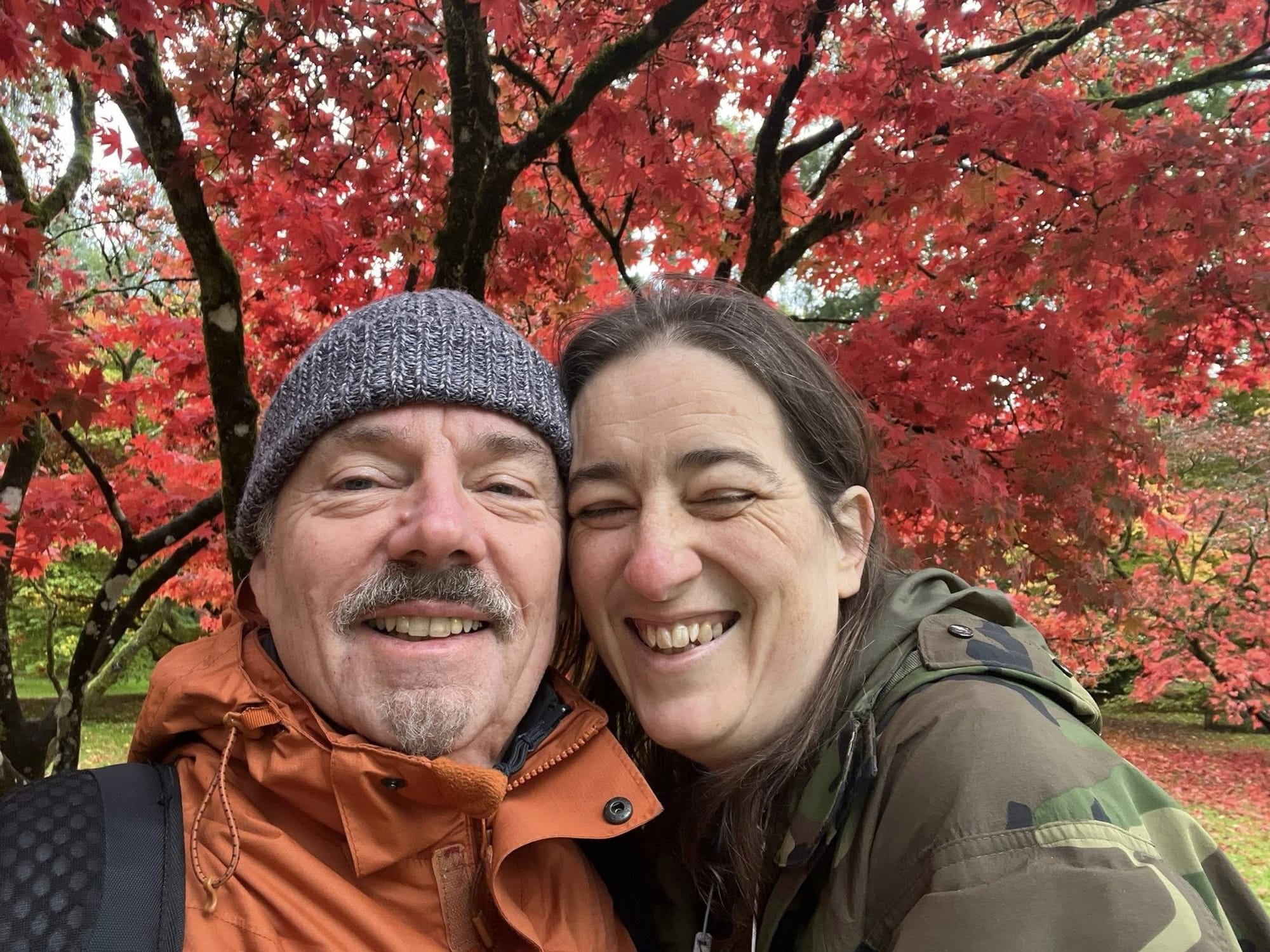
The kindness and cooperation of others, makes worlds of difference. There is more to accessibility than ramps and toilets. When people are open to learning about the difficulties others face, we open the way to creating kinder and more inclusive societies.
 SensAble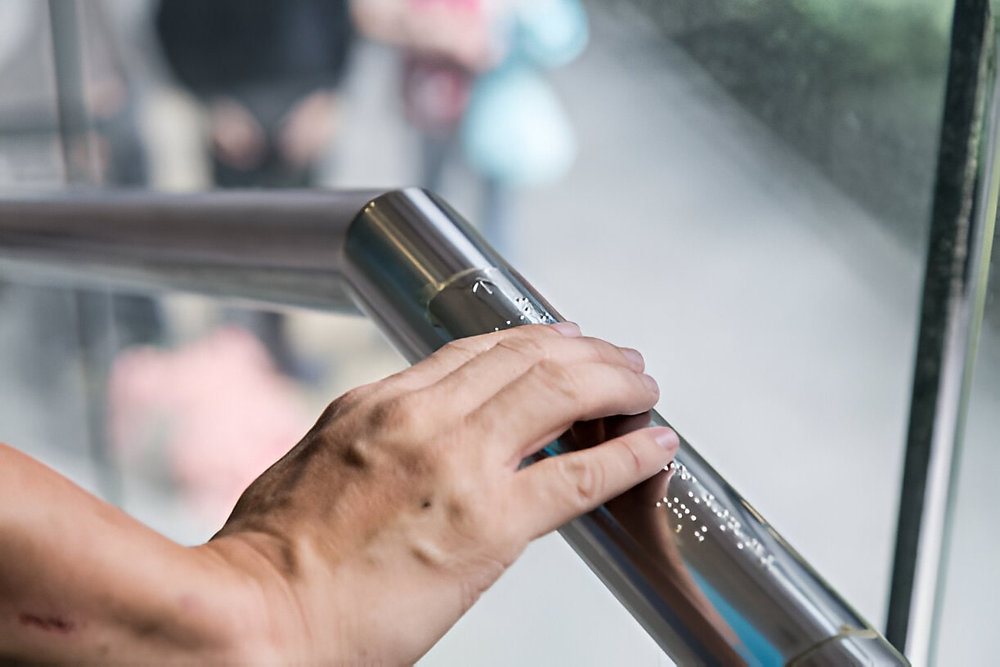
Find out more about how to make the environment more inclusive for blind and visually impaired people
Nimue Brown is still an author, runs the feral folk choir Carnival of Cryptids, writes the graphic novels “Hopeless, Maine,” plays viola for Jessica Law and the Outlaws, and still loves walking on the commons.
Nimue's blog "Druid Life" can be found here


Hopeless, Maine lives here
 Nimue Brown
And you can purchase the graphic novels from here
Outland Entertainment
Amplify Stroud is supported by Dialect rural writers collective. Dialect offers mentorship, encouragement and self-study courses as well as publishing.
You can find out more at https://www.dialect.org.uk/

AMPLIFY STROUD is committed to documenting the ongoing Social History of Stroud, to platforming new local voices and to developing new writing across the Stroud District.
Become a subscriber today and help us to support this work
Member discussion